
Call us now :08045816239
 Send Inquiry

 Send Inquiry
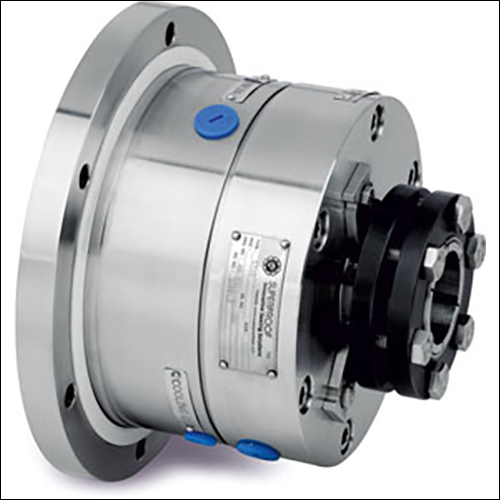
Double Seal (Mill)
Double Seal (Mill) Specification
- Theory
- Reduces friction and provides enhanced sealing performance
- Hardness
- 58-62 HRC (Seal Face)
- Application
- Used in pumps, agitators, and mill equipment in industries such as chemical and paper
- Style
- Double acting mechanical seal
- Material
- High-grade stainless steel with elastomer secondary sealing elements
- Temperature
- -20C to +180C
- Pressure
- Up to 25 Bar (max)
- Speed
- Up to 25 m/s
- Function
- Prevents leakage and contamination in mill systems
- Size
- Available from 25 mm to 150 mm shaft diameter
- Structure
- Double seal configuration with cartridge type assembly
- Secondary Seals
- Viton, EPDM, PTFE options
- Leak Prevention
- Designed for minimal leakage and high reliability
- Mounting Type
- Cartridge and gland mounted types
- Seal Faces
- Carbon, SiC, or Tungsten Carbide
- Rotary Ring Type
- Balanced and unbalanced selection
- Direction of Rotation
- Suitable for both clockwise and counter-clockwise
- Spring Material
- SS316 or Hastelloy C
- Service Life
- Long life, low maintenance
- Compliance
- Meets international sealing standards
- Shaft Tolerance
- H8 or better
About Double Seal (Mill)
Material
- Seal Ring Faces : Carbon and SiC
- Seat Faces : SiC and and TC
- Elastomer : Viton, TTV and FEP
- MOC : SS 316 CHANGE OF MOC ON REQUEST
Operating Capabilities
- Shaft Dia. : 50mm to 85mm
- Pressure : Full Vacuum to 10 bar
- Temperature : -30 degree C to 200 degree C
- Speed: 1500 r.p.m.
Technical Details 
High Durability for Demanding Applications
Engineered with carefully selected materials like Carbon, SiC, Tungsten Carbide seal faces, and Viton, EPDM, or PTFE secondary seals, the Double Seal (Mill) ensures chemical compatibility and exceptional service life. The high-grade stainless steel construction, paired with hard seal faces (58-62 HRC), delivers long-lasting performance for mill and process equipment.
Versatile and Reliable Performance
This mechanical seal boasts flexible mounting options, available in both cartridge and gland mounted types. Suitable for shafts sized from 25 mm up to 150 mm and tolerant to H8 or better, it can be used across multiple industries. Its double seal configuration provides enhanced leakage prevention and contamination control, ensuring processes remain safe and efficient.
Minimal Maintenance and Cost Savings
With its double-acting, balanced/unbalanced rotary designs, and robust secondary seals, this seal is engineered for low maintenance and a long lifespan. Designed to operate at high pressures and speeds, it helps reduce downtime and associated costs, making it a cost-effective solution for processing systems reliant on continuous operation.
FAQ's of Double Seal (Mill):
Q: How does the Double Seal (Mill) prevent leakage and contamination?
A: The Double Seal (Mill) uses a double-acting configuration with advanced materials such as carbon, SiC, or tungsten carbide for the seal faces and high-performance elastomers for secondary seals. This combination, along with precisely engineered spring systems and cartridge mounting, ensures minimal leakage, effective contamination prevention, and reliable operation even under demanding mill conditions.Q: What installation options are available for the Double Seal (Mill)?
A: This seal can be installed using either a cartridge or gland-mounted design, offering flexibility depending on the application's needs. Both mounting types provide straightforward assembly, precise alignment, and improved reliability, making them suitable for a variety of pumps, agitators, and mill equipment.Q: Where can the Double Seal (Mill) be used?
A: This seal is designed for use in pumps, agitators, and milling systems primarily in the chemical, paper, and general processing industries. Its materials and robust structure make it ideal for harsh environments that require strong chemical resistance, high pressure, and effective leakage control.Q: What are the benefits of using balanced versus unbalanced rotary ring types?
A: Balanced rotary ring designs offer improved pressure handling and reduced face wear, while unbalanced types provide a simpler structure for lower-pressure systems. Selecting the appropriate type enhances performance, extends seal life, and suits the specific conditions of your equipment.Q: How long can I expect the Double Seal (Mill) to last and what maintenance is required?
A: With superior materials and design, the Double Seal (Mill) offers a long service life and minimal maintenance under recommended operating conditions. Routine visual inspections and occasional replacement of secondary sealing elements may be all that's necessary to maintain reliable performance.Q: What operating parameters does the Double Seal (Mill) support?
A: This seal is engineered to work at pressures up to 25 Bar, speeds up to 25 m/s, and temperatures ranging from -20C to +180C. It supports shaft diameters from 25 mm to 150 mm, accommodating a wide range of mill and process equipment sizes.Q: Is the Double Seal (Mill) compliant with international standards?
A: Yes, the Double Seal (Mill) is manufactured to meet international mechanical sealing standards, ensuring reliable operation, safety, and compatibility in global industrial applications.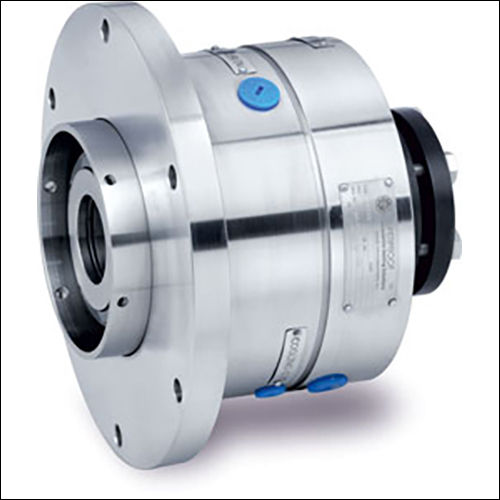
Tell us about your requirement

Price:
Quantity
Select Unit
- 50
- 100
- 200
- 250
- 500
- 1000+
Additional detail
Mobile number
Email

More Products in Double Mechanical Seals Category
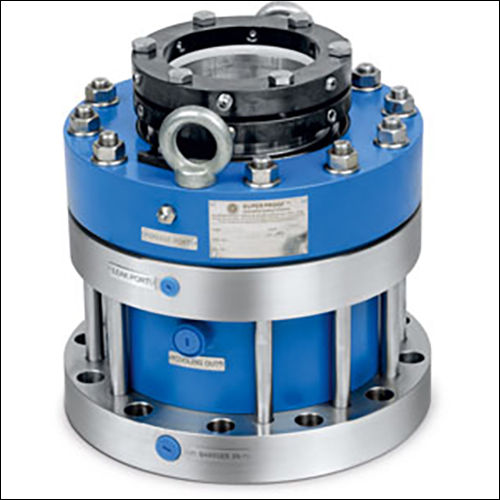
Double Seal (SS Reactor)
Style : Other, Double Mechanical Seal
Temperature : Suitable for Elevated Operating Temperatures, up to ~200C
Size : Customizable; Standard range available upon request
Pressure : High Pressure Resistant
Material : Other, Stainless Steel (SS)
Application : Chemical, Pharmaceutical, Food Process Industries
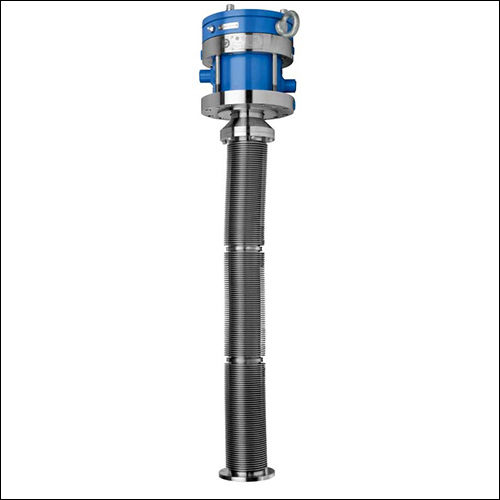
Double Seal (ANFD)
Style : Other, Double Seal, BacktoBack Arrangement
Temperature : 20C to 180C
Size : 25 mm to 150 mm shaft size
Pressure : Up to 10 bar
Material : Other, SS304, SS316, Carbon Steel
Application : Agitated Nutsche Filter Dryer (ANFD), Pharmaceutical and Chemical Industries
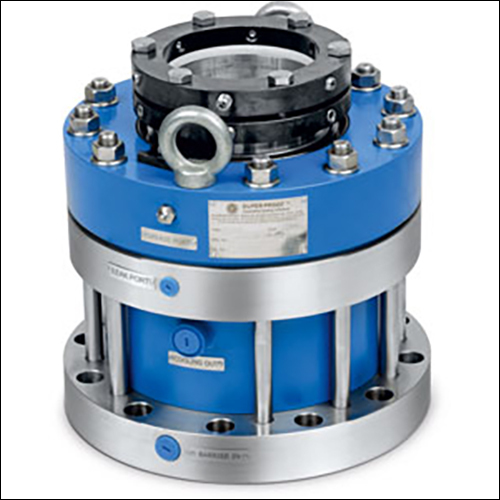
Double Seal (Hydrogenerator)
Style : Other, Double Seal
Temperature : 20C to +180C
Size : Custom sizes as per shaft diameter
Pressure : Up to 16 bar
Material : Other, Carbon, Silicon Carbide, Stainless Steel
Application : Hydrogenerator, Power Plants, Large Pumps
Double Seal (Bottom Entry)
Style : Mechanical Seal
Temperature : 30 to 260 Celsius (oC)
Size : 20mm to 150mm
Pressure : 10 Bar
Material : Other, Stainless Steel

 Send Inquiry
Our Products

23, 2Nd Floor, Shamroz Indl. Estate, Opp. Movie Star Cinema, Ram Mandir Road, Goregaon (W), Mumbai - 400104, Maharashtra, India

Mr Zuber Habib Charoliya
(Director)
Mobile :08045816239
 Send Inquiry
 Send SMS
Developed and Managed by Infocom Network Private Limited.
